Written by Howard Yeh
Co-Founder & Chief Revenue Officer at HealthCare.com
Compare Medicare Advantage and Medigap Plans That Fit Your Needs
You will be taken to

to finish your submission.
In 2022, Medicare Part D spending on Ozempic exceeded $4 billion, reflecting its widespread use among beneficiaries.
What is Ozempic?
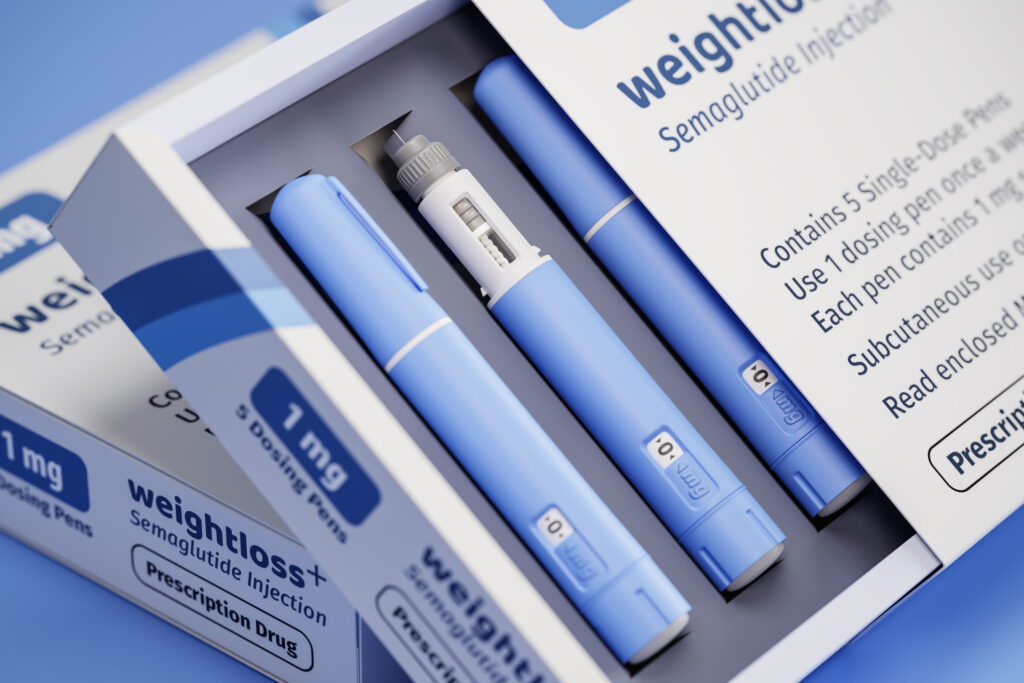
Ozempic is a brand of semaglutide, a GLP-1 medication. The FDA has approved it to lower blood sugar in adults with type 2 diabetes. It is also approved to lower the risk of heart attack, stroke and heart-related death in adults with type 2 diabetes and heart disease, and to lower the risk of kidney disease getting worse in adults with type 2 diabetes and chronic kidney disease. Ozempic is not FDA-approved for weight loss. Wegovy, a different semaglutide brand, is the version approved for weight management.
Does Medicare cover Ozempic?
Yes, Medicare Part D may cover Ozempic if prescribed to manage type 2 diabetes. Coverage depends on whether the medication is included in your plan’s formulary and if the prescribed use aligns with FDA-approved indications.
Learn more about Medicare Part D prescription drug coverage below.
Compare options HERE & start your health plan journey.
Does Medicare cover Ozempic Prediabetes?
No, not usually. Ozempic is not FDA-approved for prediabetes, so Part D plans generally will not cover it for that use. If you have prediabetes and a BMI of 27 or higher, you may qualify for a weight-loss GLP-1 drug for $50 a month through the Medicare GLP-1 Bridge, explained below.
Does Medicare cover Ozempic for weight loss?
Not Ozempic itself. By law, Part D plans cannot cover drugs used only for weight loss. But a temporary Medicare program, the Medicare GLP-1 Bridge, runs from July 1, 2026, through December 31, 2027. It lets eligible people get certain GLP-1 drugs approved for weight loss, such as Wegovy and Zepbound, for a flat $50 a month.
To qualify, you need a Part D plan (or Medicare Advantage with drug coverage) and either a BMI of 35 or higher, or a BMI of 27 or higher plus a qualifying condition such as heart disease or prediabetes. Your doctor sends a prior authorization request to Medicare. The $50 copay does not count toward your Part D out-of-pocket cap, and Extra Help cannot be applied to it.
How much does Ozempic cost with Medicare?
Your cost depends on your plan’s formulary, the drug tier and whether you have met your deductible. In 2026, Part D out-of-pocket drug costs are capped at $2,100 a year, rising to $2,400 in 2027. In 2027, the cap rises to $2,400, and once you reach it you pay $0 for covered drugs for the rest of the year.
Big change in 2027: Ozempic, Wegovy and Rybelsus were picked for the Medicare Drug Price Negotiation Program. Starting January 1, 2027, Medicare’s negotiated price is $274 for a 30-day supply, compared with a list price of $959, according to CMS. Your copay is still set by your plan, but coinsurance is based on the lower negotiated price, so many people should pay less.
How do I get Ozempic covered by Medicare?
To get Ozempic covered by Medicare, ensure it is listed in your Medicare Part D plan’s formulary. Your doctor must also prescribe it for an FDA-approved use, such as managing type 2 diabetes.
Is there a Medicare Ozempic coupon available?
No. Manufacturer copay coupons cannot be used with Medicare drug coverage. Instead, check whether you qualify for Extra Help, and ask your plan about the Medicare Prescription Payment Plan, which spreads your drug costs into monthly payments.
Shop for a Medicare plan with additional benefits!
Medicare Part D: A Coverage Overview
Medicare Part D offers prescription drug coverage to anyone with Medicare, helping cover medication costs, including certain vaccines. Private insurers provide these plans, which vary in cost and cover prescription drugs. Enrollment is available during the Initial Enrollment Period, Annual Enrollment Period, or Special Enrollment Period.
In 2024, 44% of enrollees chose stand-alone Part D plans. These plans cover most generic and brand-name drugs, insulin (with a $35 maximum copayment), and vaccines like shingles shots.
Coverage Highlights
Part D plans must cover a range of drugs, including:
- Anticancer medications (if not covered by Part B)
- Antidepressants and antipsychotics
- HIV/AIDS treatments
- Anti-seizure and immunosuppressant drugs
They also cover vaccines like shingles shots, though flu, pneumococcal, and COVID-19 vaccines fall under Medicare Part B.
Exclusions
Part D generally does not cover:
- Weight loss/gain or cosmetic drugs
- Over-the-counter medications
- Erectile dysfunction treatments
- Fertility drugs
- Vitamins and minerals (except certain exceptions like prenatal vitamins)
We aim to help you make informed healthcare decisions. While this post may contain links to lead generation forms, this won’t influence our writing. We follow strict editorial standards to give you the most accurate and unbiased information.